For years, organic traffic meant one thing.
Rank on Google on targeted keywords, get clicks, and drive leads.
But search algorithms don’t work like that anymore.
It works on the intent. The bots have become that smart.
While the traditional SEO gives credit to EEAT, the Google AI overviews, LLMS like ChatGPT, Gemini, and Perplexity are giving direct answers.
It is quite clear that the search behavior is shifting from ‘find links of possible answers and explore to “get the best answer instantly.”
AI search optimization tools can play a crucial role here.
In this blog, we will explore how AI search optimization tools increase organic traffic.
What Are AI Search Engine Optimization Tools?
AI search engine optimization tools use machine learning and natural language processing (NLP) to analyze, optimize, and improve your website’s visibility in search engines.
Unlock Hidden Ranking Opportunities
What AI Search Engine Tools Can Do?
Unlike traditional tools, these AI SEO tools provide strategic recommendations based on.
Here is how AI SEO tools work:
- Real-time search behaviour [ search queries and intent variation]
- User behaviour signals
- Search trends
- Backlink quality
- Technical issues [ crawl errors, schema issues]
- Competitors ranking on the same intent
- Content structure analysis
That Means, it can provide:
- Reveal semantic keyword opportunities [ ranking the same content on related queries]
- More clear insights into your optimization level, matching the intent
- Spot an opportunity where competitors lag behind [ backlink opportunity,
- Clear recommendation on the action you need to fix certain issues.
How Can You Use AI SEO Optimization Tools?
Identify High Intent Low Competitive Keywords
The search intent plays a big role in AI searches.
High-intent keywords usually signal transactional or buying intent.
You don’t have to target every keyword you get; start with the low-hanging fruit.
Start with finding high intent, low keyword difficulty level. Most long tail search terms have a lower difficulty level than the generic ones.
They are mostly very specific, so only the most relevant competitors are targeting these terms, and they are closer to conversion.
For example, instead of only ‘AI SEO tools’, you can use ‘AI SEO tools for small businesses’.
Structure The Content for AI Search Engines
In the next step, optimize content for AI search. See, content is still very relevant in AI-powered searches.
But, as we know, EEAT content is still the king.
If you are targeting an overly crowded market, content can truly help you to stand out.
So, using AI search optimization tools can really help here.
Here are some ways you can use AI for content:
- Preparing content structure for a clear heading hierarchy
- Optimizing heading with queries matching user intent
- Preparing summary tables, bullet points, or numbered lists
- Including semantic phrases matches the whole context
- Implementing accurate data or a real-world example matching the context
Optimize the Technical SEO for AI Crawlability
You can have amazing content, but if bots can’t crawl and interpret your website properly, it won’t rank.
AI search optimization tools can really help here.
These can give you a specific solution to technical SEO and make your site readable and crawlable.
That includes:
The Robot.txt setting issue has been resolved.
- Page loading problems
- XML site map submission problem
- Snippet or schema markup visibility
- User experience on several devices
When you adjust and optimize the HTML data and structure of your site, your website becomes user-friendly.
Such websites, Google, Bing, or any LLM or AI search tools prioritise for their users.
Strengthen Your Brand Authority with Backlinks and Brand Mentions
Businesses are now prioritizing building brand authority for AI-driven SEO strategies.
Why?
Because it still matters in AI searches, or even more.
After citing your content, LLMs won’t mention your brand directly. It will first ensure whether your website is safe to recommend. Then, it provides its link in the answer.
So, here, brand authority plays a crucial role just like Google SEO.
- It will evaluate your brand reputation and authority by:
- The reviews and ratings available at relevant platforms
- Brand mentions
- Quality of backlinks
- Mentions in industry-specific platforms [ like in guest blogs, research papers, PRs, or social media]
AI search engine tools can help here by automating outreach for link or researching opportunities for brand mentioning.
That’s how AI search engine optimization tools can increase organic traffic.
For example
If your AI SEO tool gets mentioned by:
- A well-known digital marketing blog
- A SaaS review platform
- An industry podcast
- Even without a direct link, brand mentions increase credibility.
AI systems interpret patterns like:
- Is your brand repeatedly associated with “AI SEO”?
- Are authoritative websites referencing your insights?
This also helps you content marketing decisions.
Measure the AI Search Performance and Optimize the AI SEO Plan
Performing the SEO audit using AI-powered search optimization tools can really help here.
You can have the data on each point, including:
- Brand mention
- Citation in AI overview answers
- Page crawlability, number of indexed pages
These are even more powerful than the traditional SEO analytic tools
Based on these data, you can optimize your SEO plan and keep adapting to the search trends in the AI platform.
How Can We Combine AI SEO into Existing SEO Strategy?
Using traditional SEO and AI SEO in parallel will be the best method in 2026.
Nothing can be better than this.
Here is how you can do so:
- Use AI SEO tools for keyword identification, in addition to using traditional tools
- Improve the practicality of human content by finding real insights with AI tools
- Analyse the call with customers to predict the ‘conversational queries’, and later use them in content.
- Find our interlinking opportunity in your content
- Accelerate link building with automation
3 Strategies That Our Agency Has Adopted
We have made AI visibility a Core KPI
Earlier, we used to produce mainly
- Keyword Rankings
- Visibility on the first page
- CTRs
Now?
We ask:
- Citation of link in AI-generated answers?
- Are we visible in zero-click results?
- Brand citations in AI overviews and summaries
We are Prioritising Brand Entity Building
It’s no longer just about keywords for us.
For each branch, now we try to establish the entity, including
- Brands
- People
- Organizations
- Products
So we focus on:
- Consistent brand mentions
- Author profiles
- Structured data
- Topic clustering
- Thought leadership content
Get more insights by reading our blog on how to improve brand visibility in AI search engines in 2026. Here we have discussed the tips based on how we approach the same strategy.
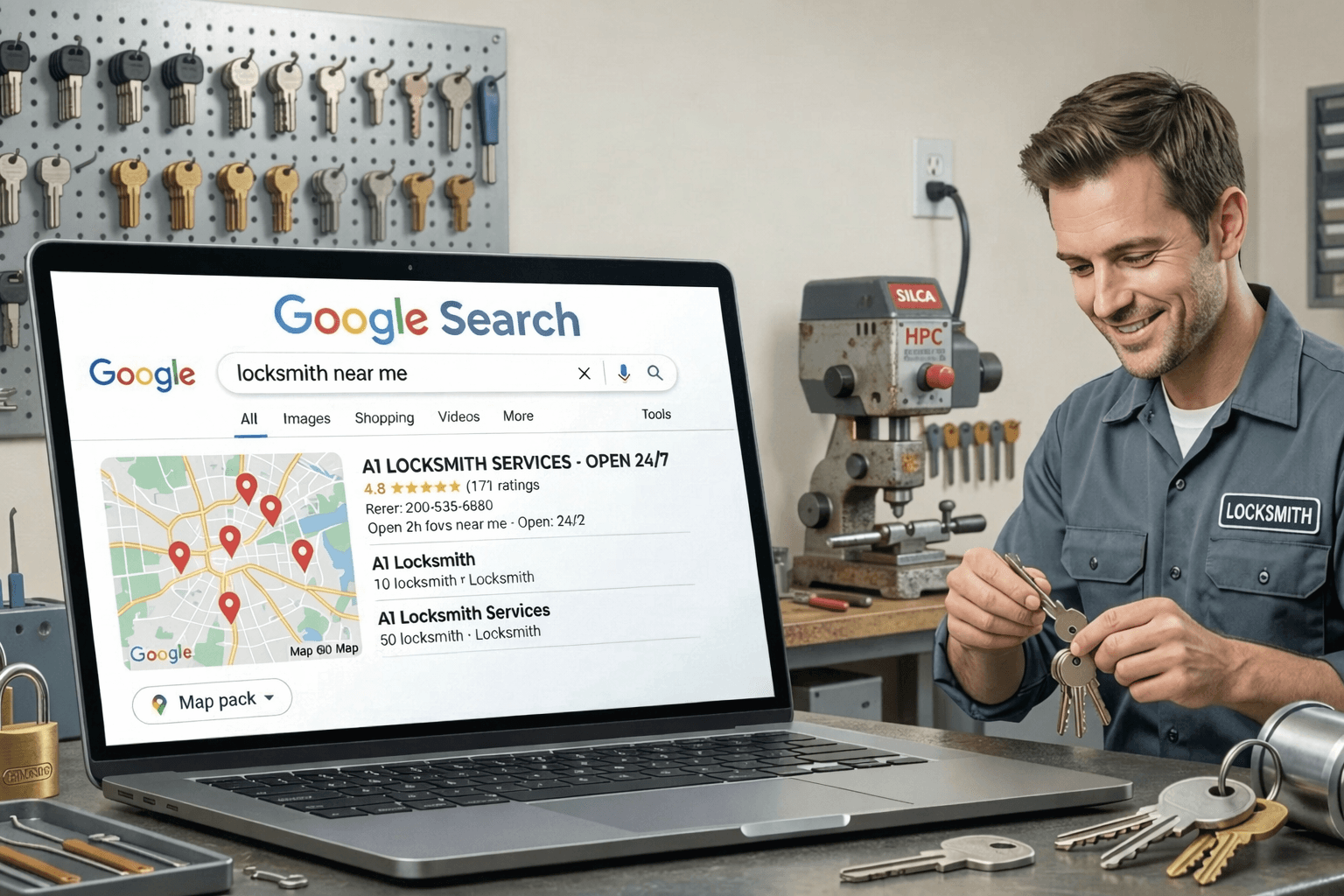
Focusing on Local Citation
We are prioritising local visibility to define the brand’s appropriateness for a certain community.
And, AI systems also pull business information from these sites to understand the reputation,
We prioritises on
- Business directories
- Local listings
- Maps
- Review
- Locational signal in the content
- Trust signals
Final Thoughts
In 2026, organic growth belongs to businesses that combine human expertise with AI-driven insights.
If you’re serious about scaling, it’s time to audit your SEO strategy and see where AI can bring results where opportunities lie.
What’s Next?
Our TTC team is giving consultation for AI SEO. If you need solid insights into an AI-driven SEO strategy, we can help you. Book a free session with us!
Get a Step by Step Plan to Grow Your Business
Frequently Asked Questions
How can businesses adapt to the new AI search model?
Businesses need to shift focus from keywords to building authority. That means structured content, strong brand signals, and technically sound websites.
What common mistakes should users avoid when using AI search tools?
The biggest mistake one can make with AI tools is using generic AI content, ignoring search intent, skipping updating the content, ignoring EEA, missing creativity, and failing to create a branded experience.
Can AI SEO tools replace a human SEO expert?
No, thriving at SEO will still require human intelligence. AI SEO tools are excellent at analyzing data, spotting patterns, generating ideas, and speeding up research. They can process thousands of keywords, identify trends, and suggest optimizations in minutes. But strategy, creativity, brand positioning, and decision-making still require human judgment.